la-liga · May 14, 2026
Alaves 1-0 Barcelona: The Motivation Gap La Liga's Calendar Creates Every May
Champions stumble against a relegation side three days after lifting the title. The result matters nothing to Barcelona and everything to Alaves — which is precisely the structural problem.
By Pitchwyse Editorial
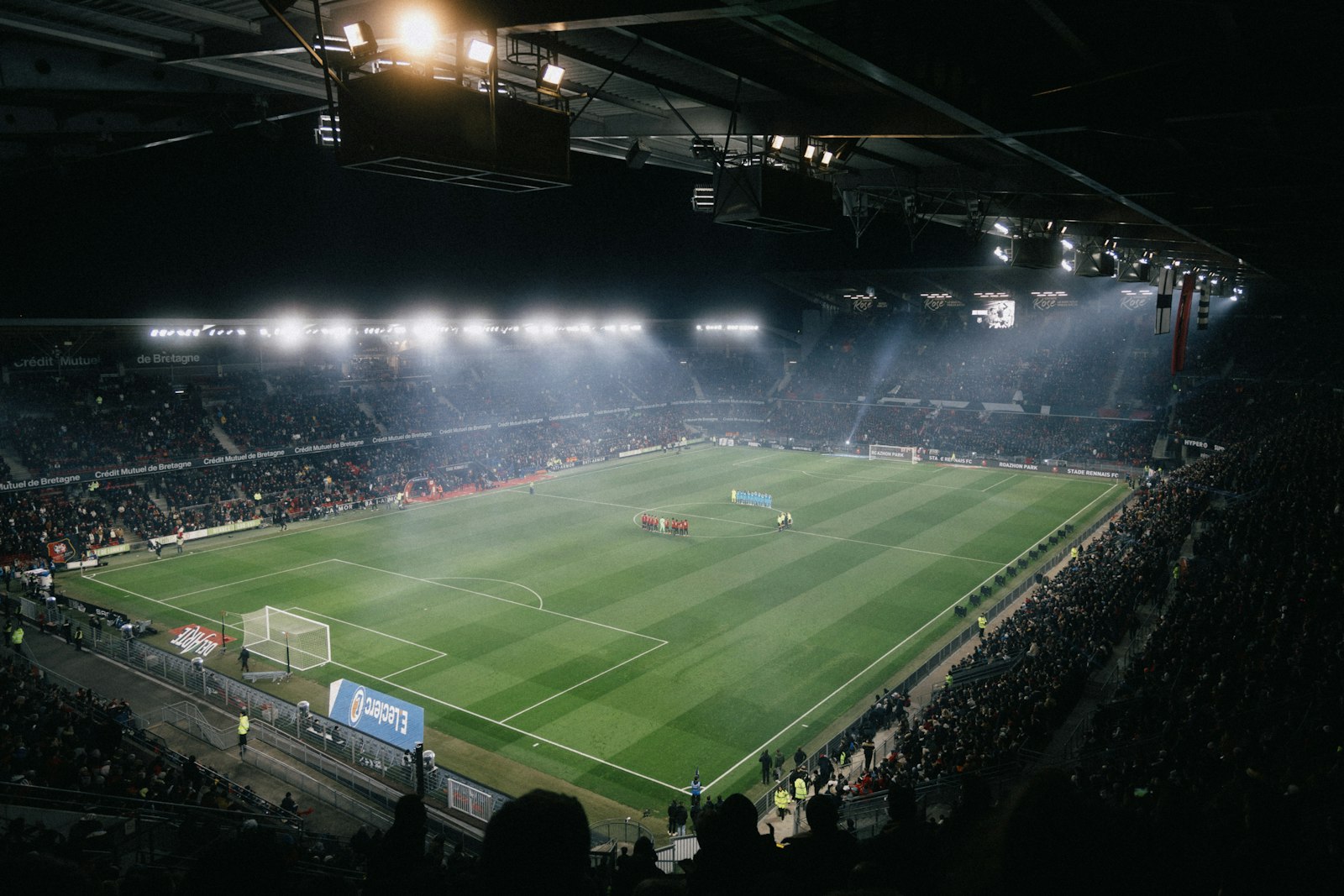
There is a particular cruelty to the La Liga calendar that Wednesday's result at Mendizorroza illustrated with unusual clarity. Barcelona, confirmed as champions after beating Real Madrid in El Clásico three days earlier, lost 1-0 to Alaves — a side fighting to stay in the division. Ibrahim Diabate scored from a scramble after a corner, thirty seconds before half-time. By the second half, Barcelona managed two shots, both from distance. Alaves moved out of the relegation zone.
The scoreline was, in any meaningful competitive sense, irrelevant to Barcelona. For Alaves, it was potentially season-defining.
The structural problem La Liga ignores
This is not a story about Barcelona's quality or Hansi Flick's squad depth — both have been demonstrated comprehensively over the course of a second consecutive La Liga title, sealed with a 2-0 win over Real Madrid in El Clásico. It is a story about what happens structurally when competitive incentive is removed from one half of a contest and concentrated entirely in the other.
Post-title dead rubbers are a systemic feature of single-table leagues, and La Liga's scheduling — which stages closing fixtures across multiple days rather than in a synchronised final-day format — means already-crowned champions regularly face desperate sides in the season's final weeks. The Premier League's simultaneous final day is an imperfect solution, but it concentrates stakes. When every side in the bottom half is fighting on the same afternoon, the motivation asymmetry is at least distributed across multiple fixtures rather than exploited sequentially.
What Wednesday made concrete is that motivation asymmetry is not merely theoretical. Alaves defended with an organisation and collective urgency they had not consistently produced across the season. Barcelona's press — devastating when competitive necessity demands it — was managed rather than deployed. Two shots in the second half. The eleven-game winning run that had taken them to a title-clinching El Clásico simply evaporated against a side with infinitely more at stake.
Diabate's goal arrived via set-piece, from a corner delivery, in a scramble. Alaves have built much of their end-of-season survival bid through precisely this route: delivery, second balls, and the kind of sustained concentration that only sides with genuine stakes can manufacture across ninety consecutive minutes.
What this means for the bottom of the table
For the sides still fighting in La Liga's relegation battle, Wednesday's result carries practical weight. Fixtures against already-confirmed champions in the closing weeks represent genuine opportunities, and the pattern across recent Spanish top-flight seasons suggests relegation-threatened sides convert those opportunities at a rate that outperforms their general form.
The question for Alaves now is whether their remaining opponents carry the same motivational deficit. Barcelona offered the optimal conditions — a world-class side with nothing to play for, playing three days after a title-defining result. The sides Alaves face next will carry their own pressures and incentives, which may or may not align in Alaves's favour.
What is not in doubt is that the structural opportunity exists in La Liga's calendar every May, reliably and predictably, and yet the competition does not address it. Relegated sides are consoled by the observation that they had their chances across thirty-eight fixtures. Some of those fixtures, by design, will be against champions who stopped competing weeks earlier.
Barcelona's eleventh consecutive league win has ended. Their second consecutive title is confirmed. For Hansi Flick, Wednesday is a footnote. For any side near the bottom facing a post-title champion in the season's final weeks, it is a reminder that the window is narrow, the conditions are rarely better, and Alaves were organised enough to take full advantage.